World Cup Fan Art for Ecommerce Ads: Workflow & Prompts


Most creators stop at the fan art. They make a striking football poster, a stylized player image, or a country-inspired visual, and that is where it ends. It looks good, it earns likes, and then it sits there, leaving a lot of commercial value on the table.
If you sell apparel, accessories, home goods, collectibles, digital products, or branded merchandise, World Cup fan art can do far more than collect engagement. It can become the visual engine behind your product ads.

If you have not seen the broader idea this builds on, start with World Cup 2026 fan art. This article goes one layer deeper, into how to turn that attention-grabbing style into product-focused commercial creative.
What You Are Actually Building
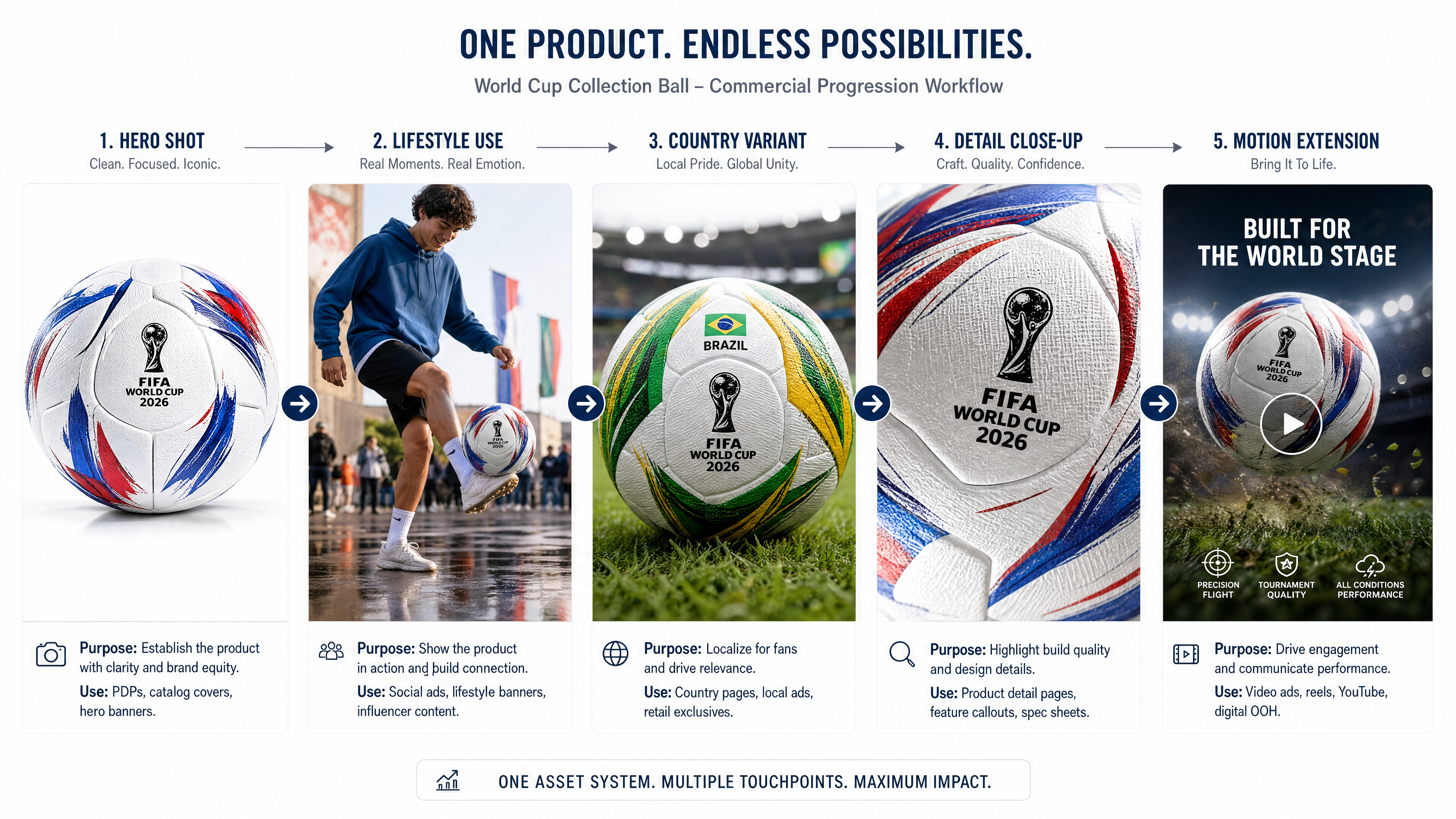
The goal here is not "a football-themed image." It is a structured product-ad set, where every asset already points toward a product, a landing page, or a paid test. A complete package usually includes a clean hero visual, a product-in-context lifestyle image, a culture-specific variation, a product detail shot, one long-form social video concept, and a short teaser cut for paid placement.
That set is much easier to monetize than a standalone fan-art post, because none of it is decorative. Each piece is doing a commercial job.
Why It Beats a Generic Sports Ad
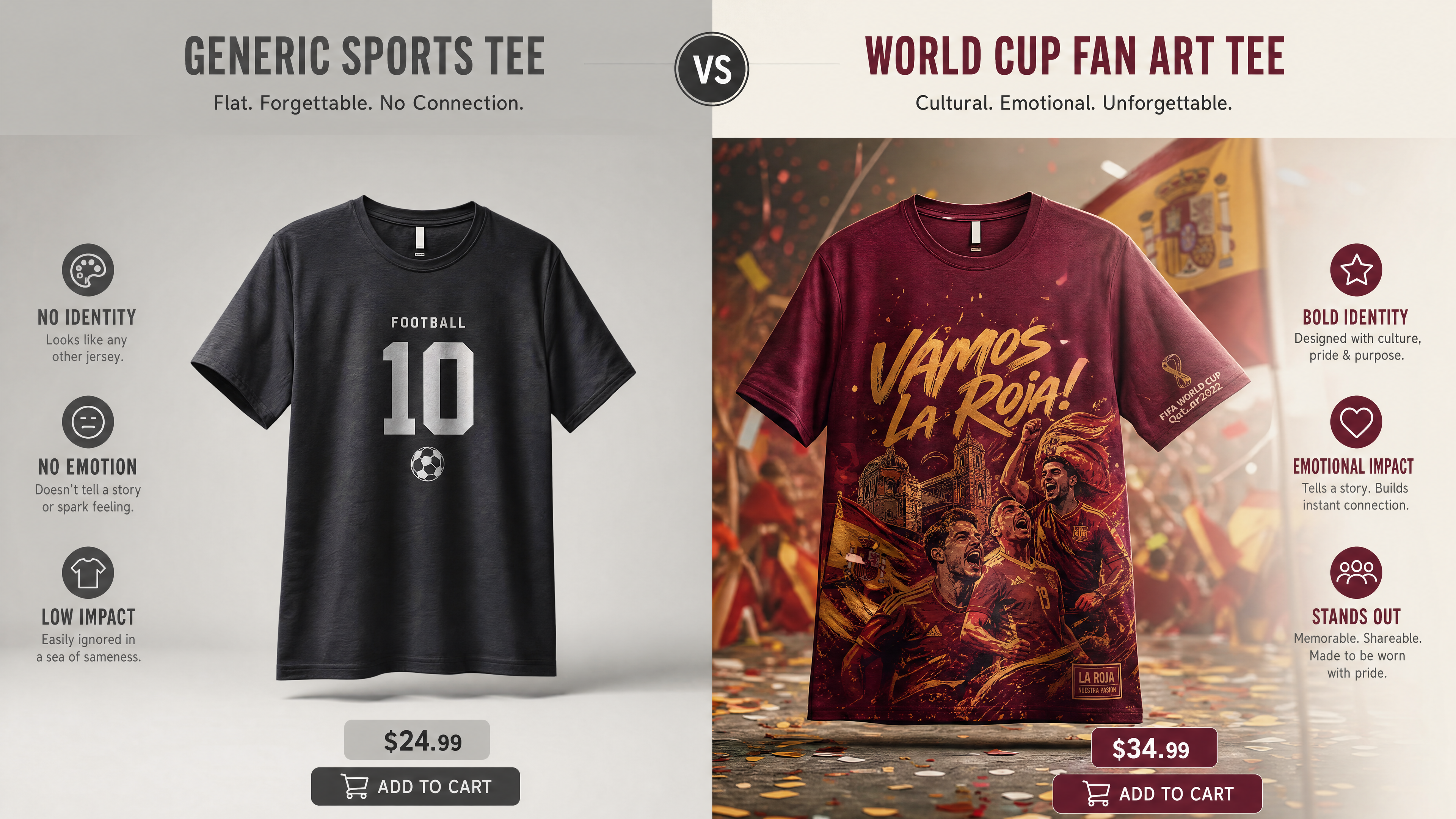
Most generic sports ads are too broad to land. They show a stadium, a ball, some dramatic lighting, and a product dropped into the middle of the frame. The category is clear, but the emotion is missing.
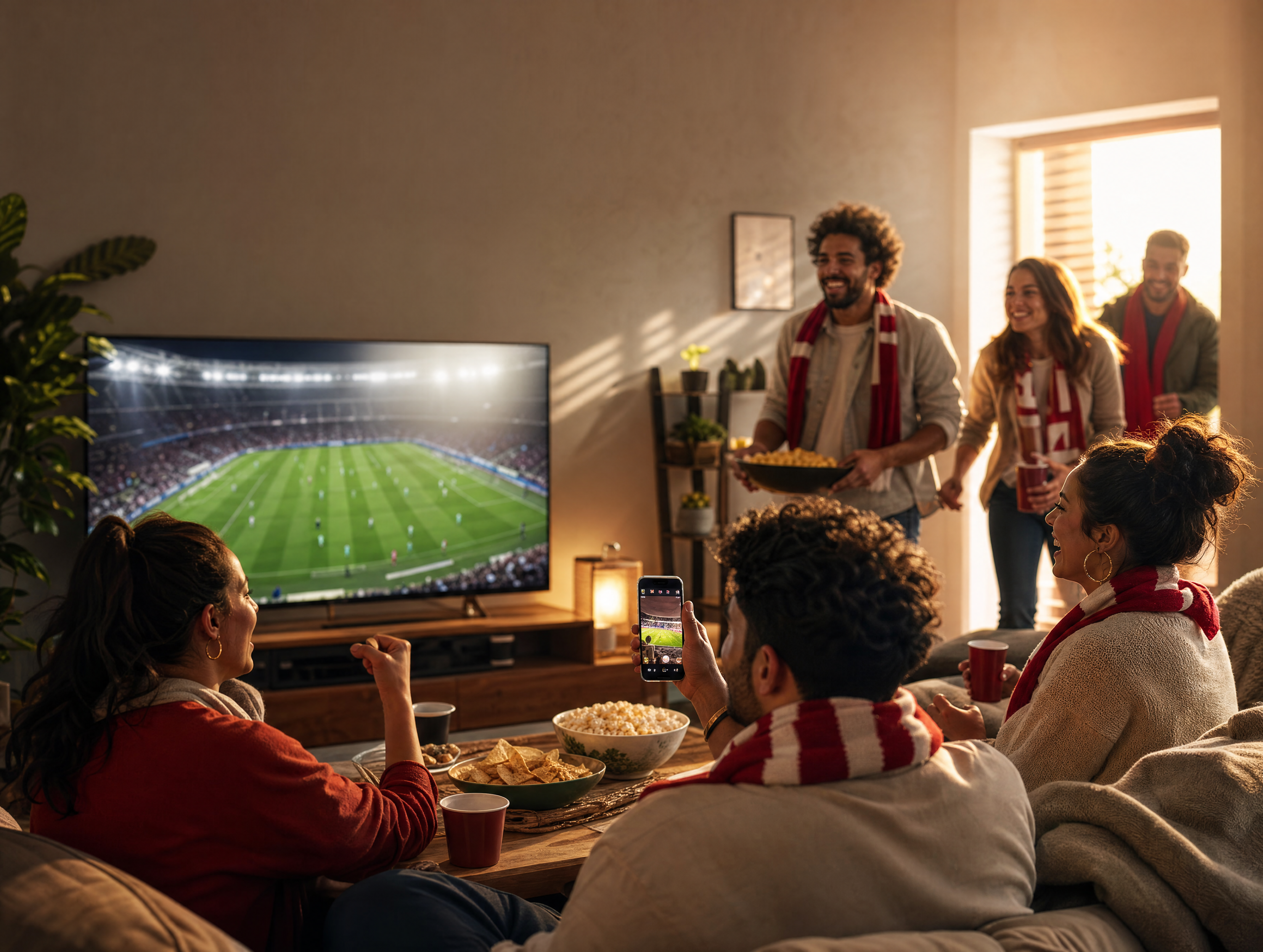
World Cup fan art works better because it can carry identity, pride, color systems, local symbols, and a shared visual memory that a stock stadium shot never will. That emotional layer gives the product ad more texture, and it gives you more ways to build variants without ever changing the product itself.
Start With the Product, Then the Culture
It is tempting to open with the country palette. Start with the product instead. Before any styling, answer a few questions:
- What is being sold?
- Where should it sit in the frame?
- Does it belong in lifestyle use, a collectible display, or a hero-shot treatment?
- Which cultural signal should support the product rather than overpower it? A good fan-art ad is still an ad. The product should gain clarity from the football culture around it, not disappear behind it.
Build Culture Variants as a System
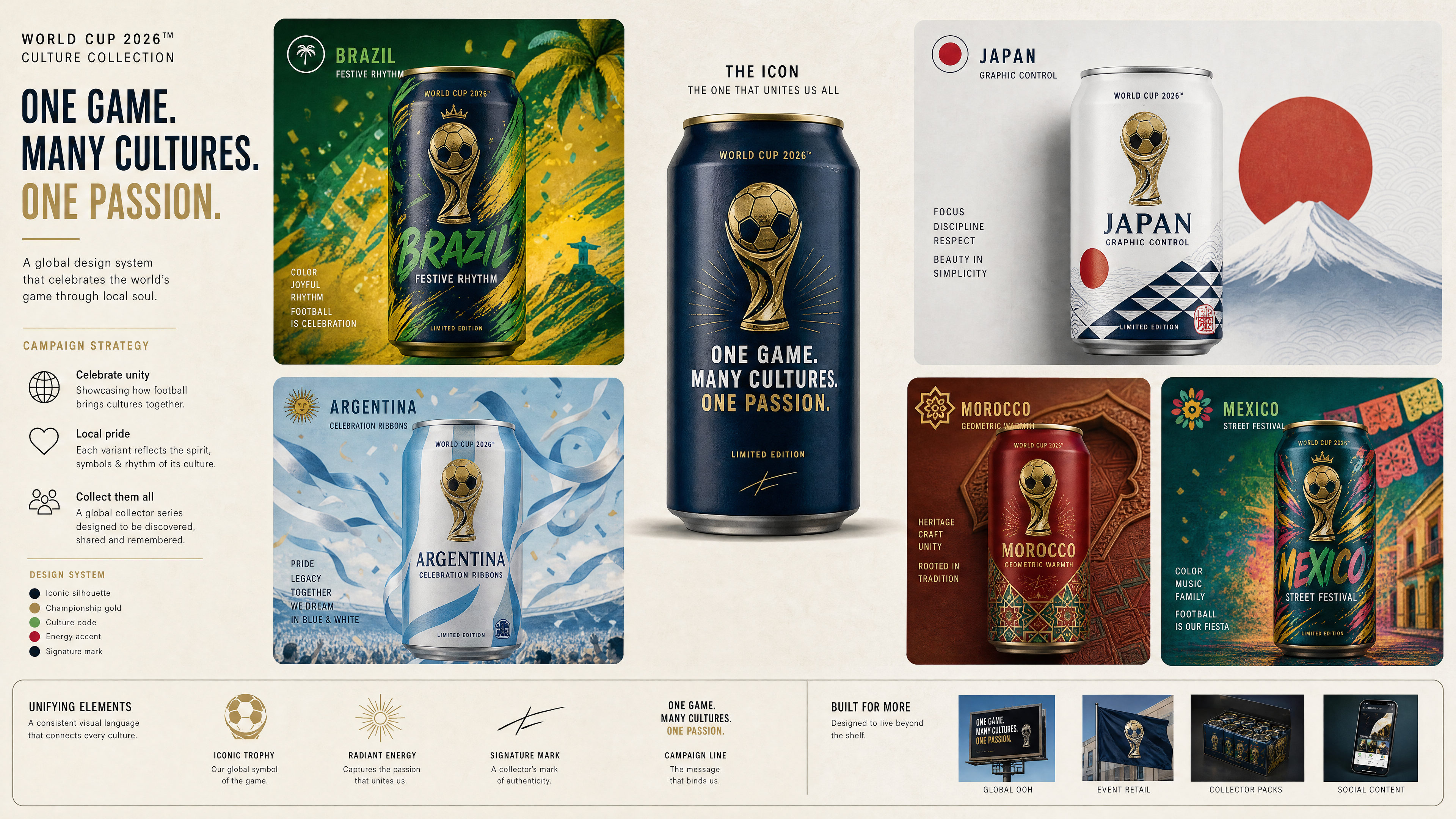
This is where the content becomes genuinely useful for testing. Rather than one broad "World Cup style," build a small variant system, where each direction carries a different emotional identity:
- Brazil: festive motion and a saturated yellow-and-green rhythm
- Japan: clean graphic control and disciplined composition
- Argentina: sky-blue celebration energy and ribbon-like movement
- Morocco: geometric pattern accents and warm architectural texture
- Mexico: street-festival color and handcrafted celebratory detail
Want to build the whole variant set in one place? Create product-ready fan-art ads with 100 free credits →
A Practical Ecommerce Ad Workflow
When you are turning fan art into paid creative, a reliable order looks like this:
1. Create the clean hero first
Use one simplified fan-art direction with the product clearly visible.
2. Add a lifestyle frame
Show the product inside a football-culture context instead of a blank studio.
3. Create one country-specific variant
Use a distinct cultural direction to test how well a given identity fits.
4. Add a detail-focused frame
Show material quality: texture, print, stitching, packaging, or finish.
5. Extend the winner into video
Only once the stills are strong should the ad become motion.
Structure the Long Video: Atmosphere, Product, Offer
For social commerce, a long-form ad video should not open like a catalog. It should start with atmosphere, bring the product into that atmosphere, and only then make the case for why the product belongs there. That is why the main video in this package is segmented, with each fifteen-second block doing one job:
- Establish football-culture energy
- Introduce the product context
- Move into a country-specific identity
- Build trust through detail
- Turn attention into purchase interest
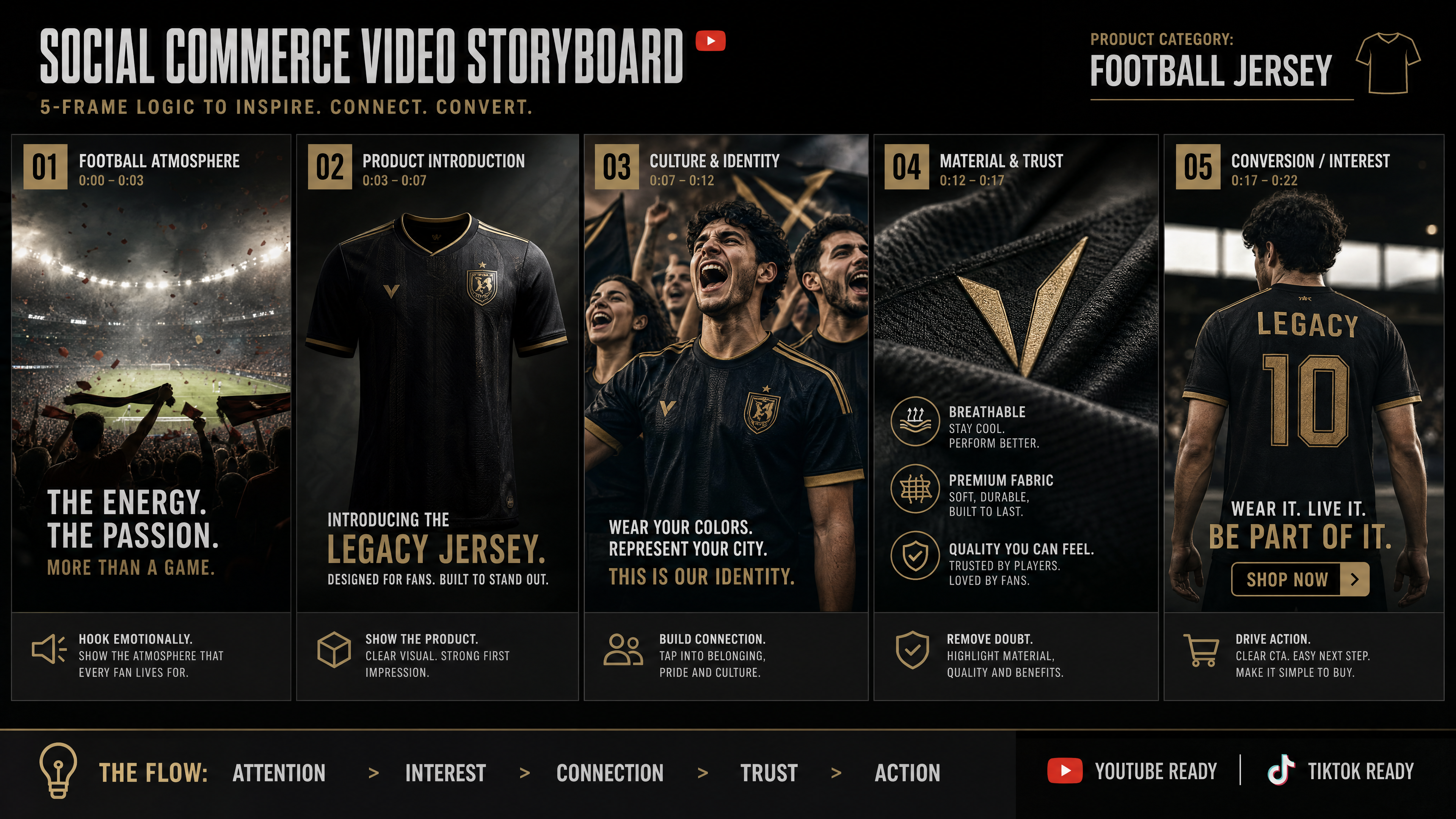
A segmented sequence is also far better for a model like Seedance 2.0, because it gives the model stable shot logic instead of one overloaded paragraph trying to describe two full minutes at once.
Prompt for Commercial Hierarchy
A weak fan-art prompt reads like this:
World Cup poster style, dramatic product ad, vibrant colors
It looks nice and sells nothing. A stronger commercial prompt answers the questions that actually shape an ad:
[focal product and how much of the frame it fills] + [the football signal that supports it] + [the country or cultural cue shaping the environment] + [whether the frame should convert, excite, or build trust]
Those answers are the difference between a beautiful fan-art image and a frame that can actually sell.
Tie the Product to a Moment
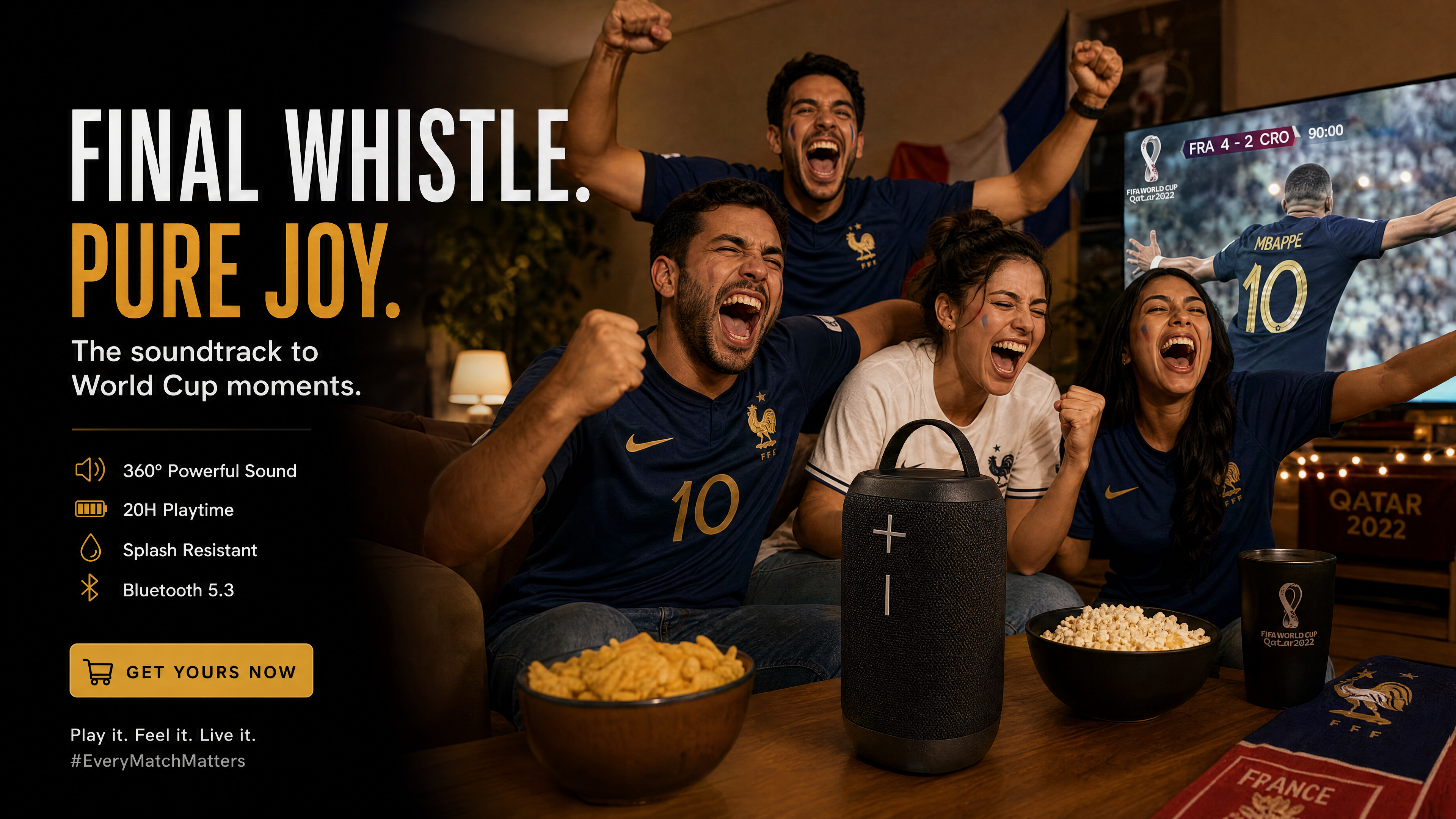
The best-performing product ads tend to feel tied to a specific moment rather than an abstract "football lifestyle." A moment gives the product a scene, a use case, and a reason to appear right now:
- Pre-match anticipation
- The watch-party setup
- The final-whistle celebration
- Street-festival energy
- Night-before-the-match styling
The Real Payoff Is a Product System
The strongest World Cup fan art is not the version that stops at appreciation. It is the version that becomes a product system. Once you treat fan art as the top of a commercial creative tree, one cultural visual language can branch into hero frames, country-specific variants, product-detail ads, long-form product videos, and short paid-social cuts, all without losing coherence. That coherence is what makes the content commercially useful instead of just nice to look at.
Turn one cultural visual language into a full set of product ads. Create country variants and long-form product videos with Thank You AI →
Frequently asked questions
Frank is a growth-focused operations and marketing professional with expertise in product data engineering. He specializes in turning user insights into scalable growth strategies. At THANKYOU AI, he leads operations, marketing, and growth efforts, leveraging data to shape product decisions and connect innovation with the audiences that need it most.