AI Movie Style Prompts: 7 Cinematic Looks for Short Films

Different film styles should not feel like the same scene wearing different color grades. That is the fastest way to visual fatigue: if every example is a dark corridor, a tense character, and a mysterious object, the reader learns exactly one habit, that "cinematic" means shadowy and serious. AI movie style prompts are far more useful when they behave like a style library, where each style carries its own subject, setting, camera rhythm, light logic, color behavior, texture, and motion idea.
If you are still learning how to turn one image into a connected sequence, start with the AI movie from one image workflow. This article branches from that workflow into a more visual question: how do you write prompts for different short-film styles without every result feeling the same?
Start With the Viewing Experience
Do not start with a style name. Start with how the scene should feel to watch:
- Should it feel funny, tense, magical, intimate, observational, or premium?
- Should the camera move fast, drift gently, stay handheld, or hold still?
- Should the light feel natural, theatrical, animated, clean, harsh, or dreamlike?
- Should the world feel handmade, polished, documentary, romantic, or surreal?
- What should the style avoid?
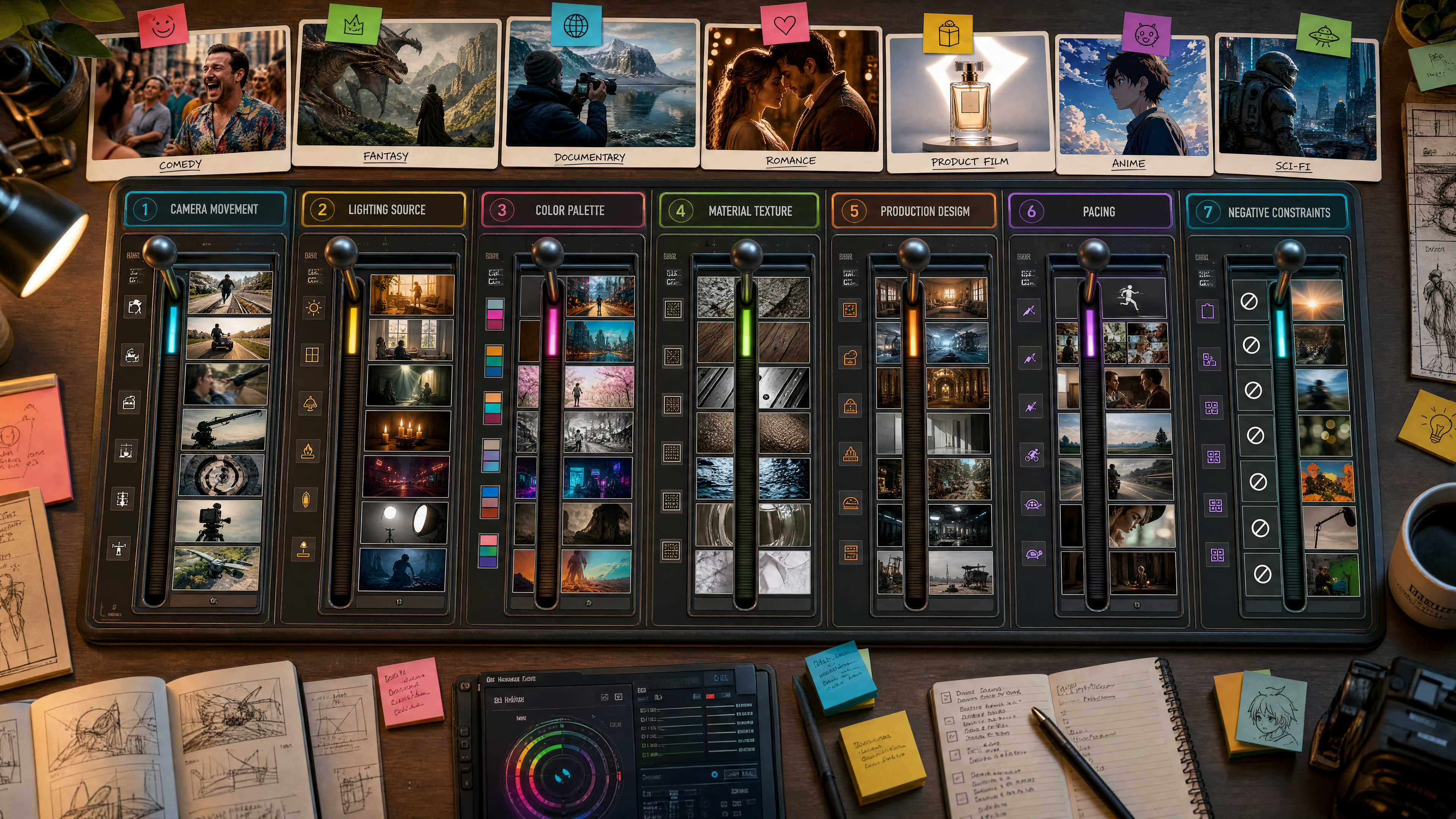
"Make it cinematic" is not a direction. A style prompt becomes strong when it tells the model how the scene should behave, not just what genre label to wear.
A Reusable AI Movie Style Prompt Formula
Use this structure for both images and short videos:
Create a [STYLE] AI short film [IMAGE / VIDEO] about [SCENE IDEA].
Use [SHOT SIZE], [CAMERA ANGLE], [CAMERA MOVEMENT], and [LENS FEEL].
Build the look through [LIGHTING], [COLOR PALETTE], [MATERIAL TEXTURE], and [PRODUCTION DESIGN].
For video, begin on [OPENING BEAT], move through [MOTION BEAT], and end on [FINAL FRAME].
Keep the emotional tone [TONE].
Avoid [STYLE CLICHES], [UNWANTED MOOD], and [VISUAL REPETITION].
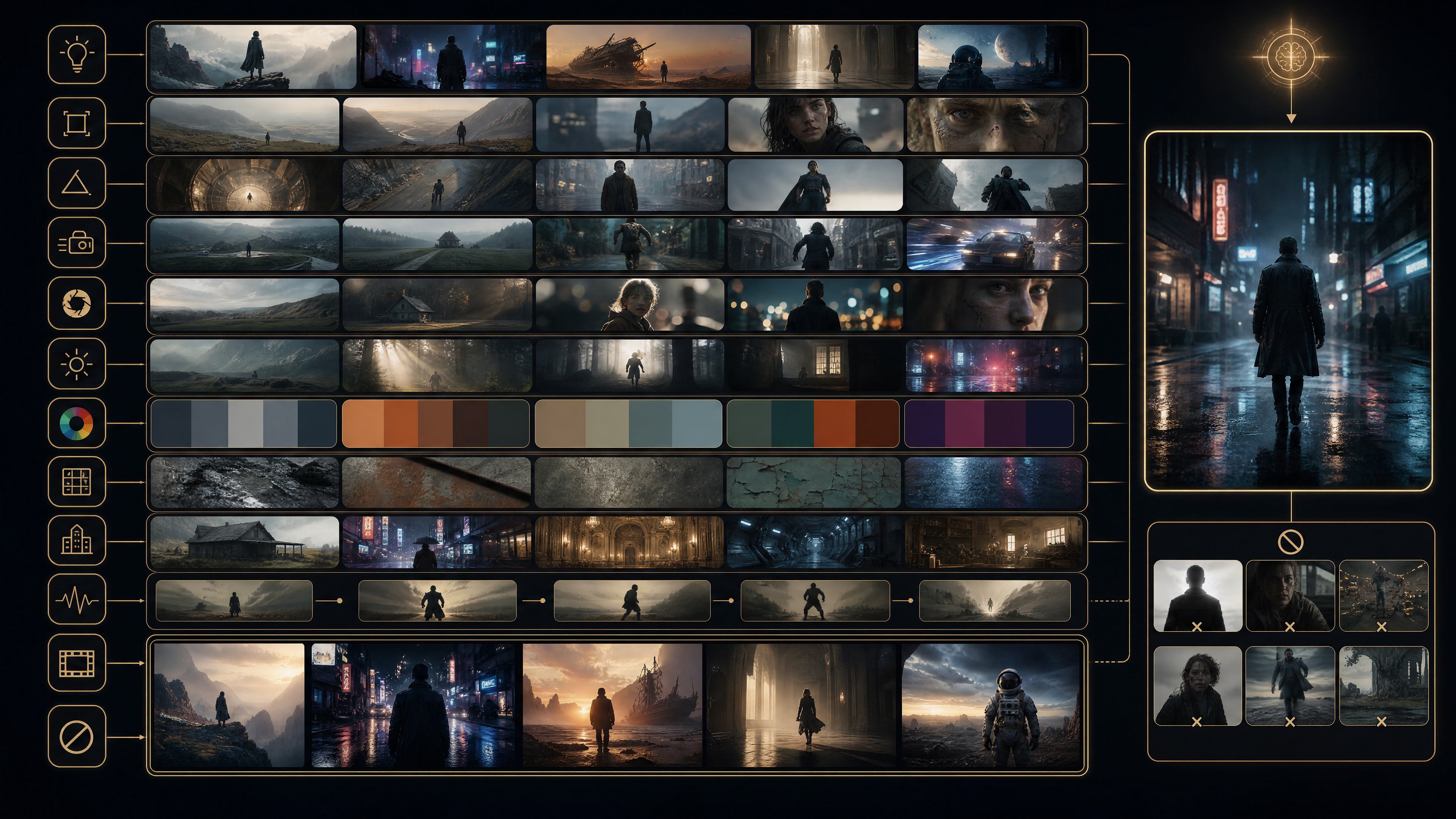
The formula stretches from a comedy breakfast scene to an animated rooftop, a documentary kitchen, a luxury product insert, or a retro sci-fi greenhouse. The avoid clause is what keeps each style from collapsing back into generic "cinematic" darkness.
Want to test every style in one place? Build your AI movie style library with 100 free credits →
Style 1: Bright Comedy Film Prompt
Comedy needs timing, readable faces, and clear physical business. It should not look like a dramatic film with brighter lighting.
Create a bright comedy AI short film image inside a tiny apartment kitchen on a sunny morning. A young baker tries to rescue an over-rising bowl of dough while flour floats in the air, a toaster pops unexpectedly, and a sleepy roommate enters the doorway holding a mug. Use a medium-wide 28mm lens feel, eye-level framing, warm natural window light, cheerful pastel colors, slightly exaggerated but believable expressions, and clean physical comedy staging. The image should feel lively, friendly, and easy to understand in one glance. Avoid slapstick chaos, ugly distortion, dark dramatic lighting, and sitcom studio flatness.
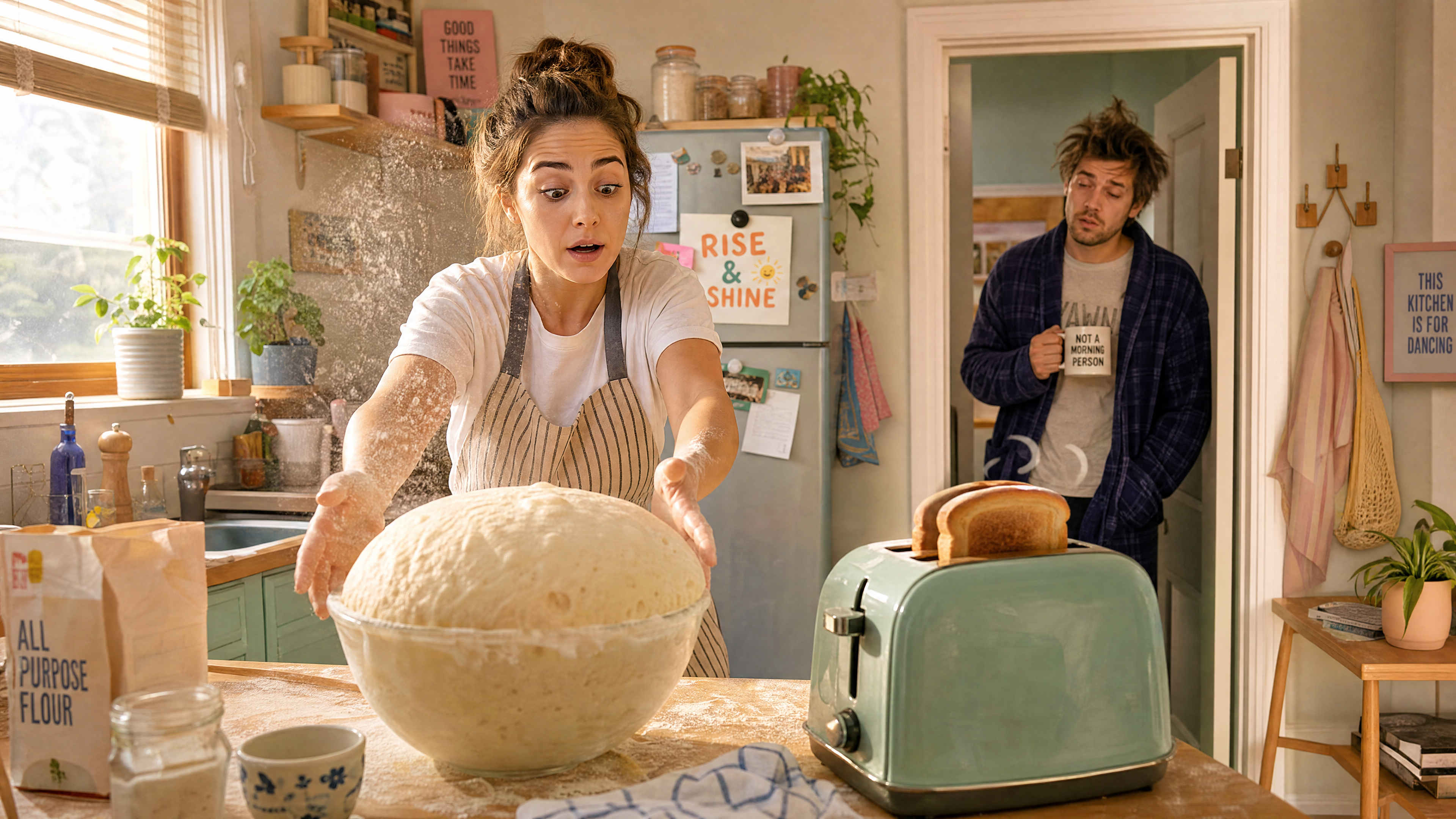
For video, keep the motion simple: the dough rises, the toaster pops, the roommate reacts, and the baker freezes for half a beat.
Style 2: Magical Fantasy Adventure Prompt
Fantasy works best when the magic has a physical source. Instead of asking for "epic fantasy," define the object, the light, and the world around it.
Create a magical fantasy adventure AI short film image in a sunlit forest library built inside ancient trees. A young mapmaker opens a floating compass that projects golden constellations across mossy bookshelves, hanging lanterns, and carved wooden tables. Use a wide 32mm lens feel, gentle upward camera angle, warm dappled sunlight, emerald greens, amber highlights, parchment texture, glowing dust, and handcrafted production design. The mood should feel curious and wondrous, not dark or battle-heavy. Avoid generic castles, armored warriors, blue magic overload, and noisy fantasy clutter.
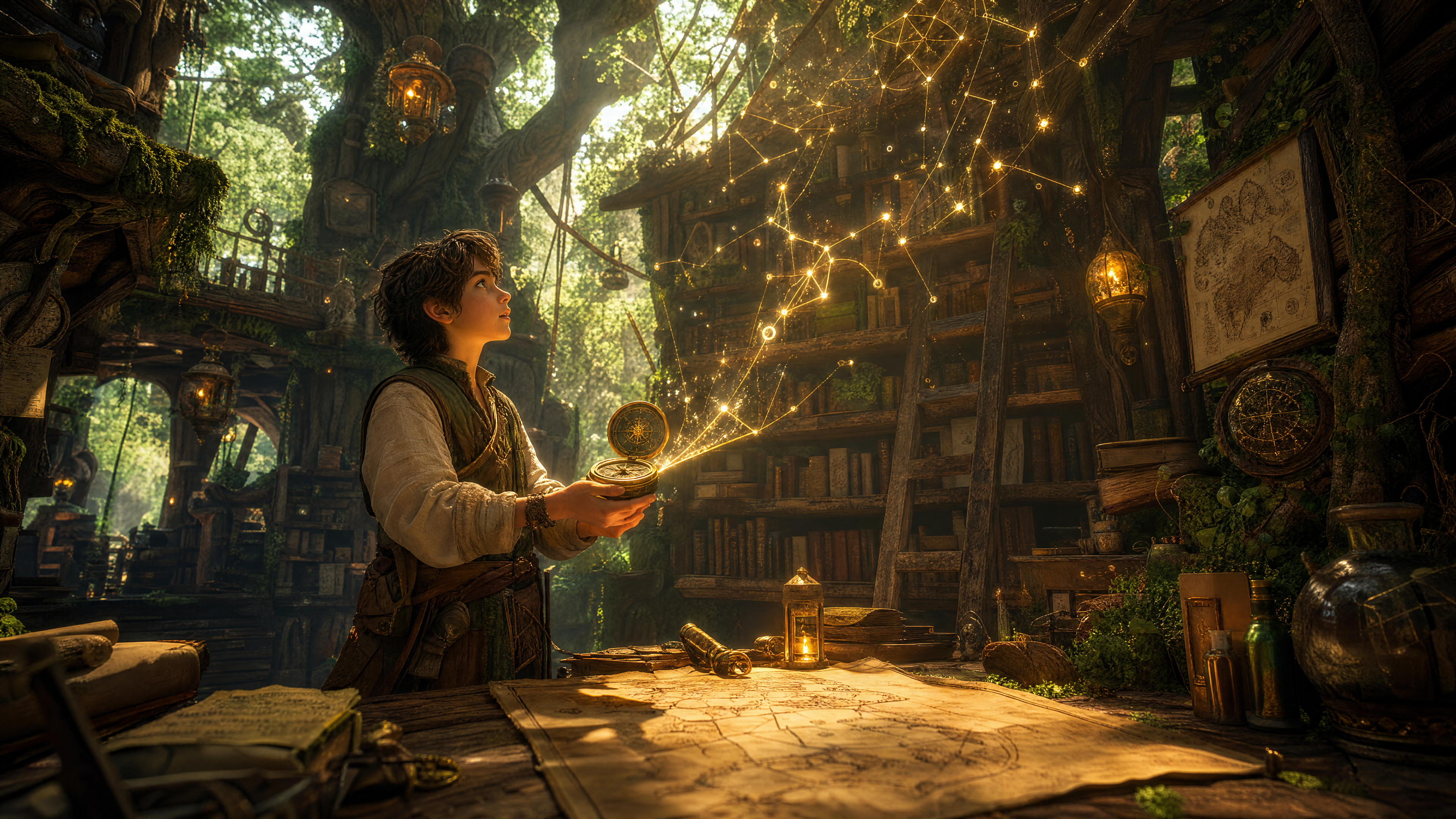
For video, let the compass open, the constellations unfold, and the character lean closer as the map changes.
Style 3: Hand-Painted Anime Slice-of-Life Prompt
Anime does not need to be action-heavy. A quiet slice-of-life scene can carry the animation style through layout, light, character shape, and small environmental motion.
Create a hand-painted anime slice-of-life AI short film image on a quiet school rooftop after rain. Two friends sit beside a vending machine, sharing a packet of snacks while sunset reflects in small puddles. Use a medium shot, soft 35mm lens feel, clean character silhouettes, hand-painted sky gradients, warm orange rim light, cool blue rooftop shadows, delicate puddle reflections, and subtle fabric folds. The mood should feel gentle, funny, and nostalgic. Avoid action poses, fantasy effects, chibi proportions, extreme close-ups, and overly glossy 3D rendering.
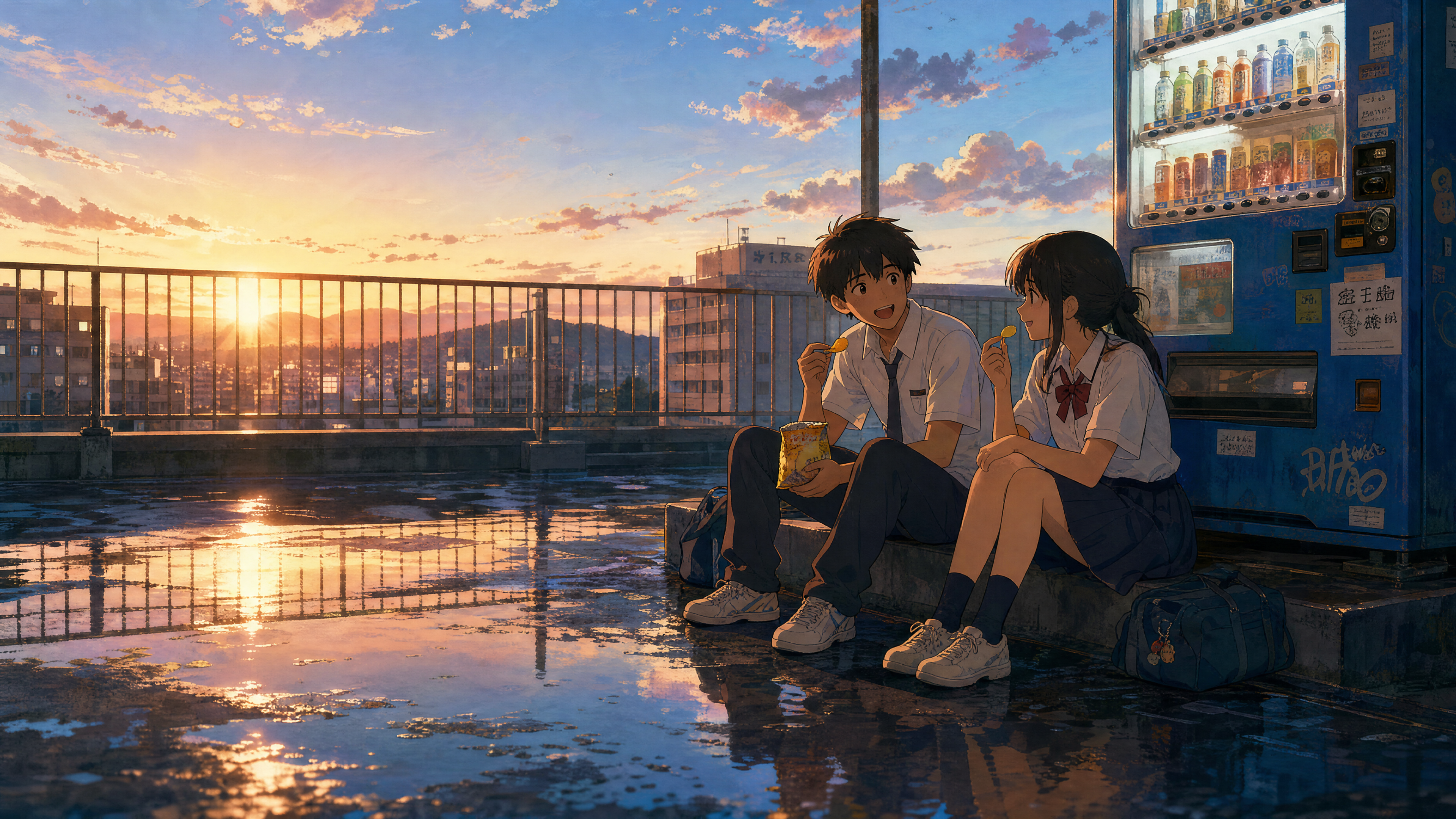
For video, use tiny movements: the snack bag crinkles, wind moves a sleeve, one friend laughs, the sunset light shifts.
Style 4: Observational Documentary Prompt
Documentary style is not "plain." It is specific, imperfect, and lived-in, with real light, real gestures, and a camera that feels like it found the moment rather than staged it.
Create an observational documentary AI short film image inside a family-run noodle shop before opening. An older cook tests broth at the stove while a younger worker stacks bowls near the counter. Use a shoulder-height handheld camera feel, natural fluorescent and morning window light, slightly imperfect framing, steam, worn tile, stainless steel, handwritten prep notes without readable text, and quiet routine gestures. The mood should feel honest, warm, and unposed. Avoid dramatic spotlights, commercial food-ad gloss, fake documentary grain, and overly perfect composition.
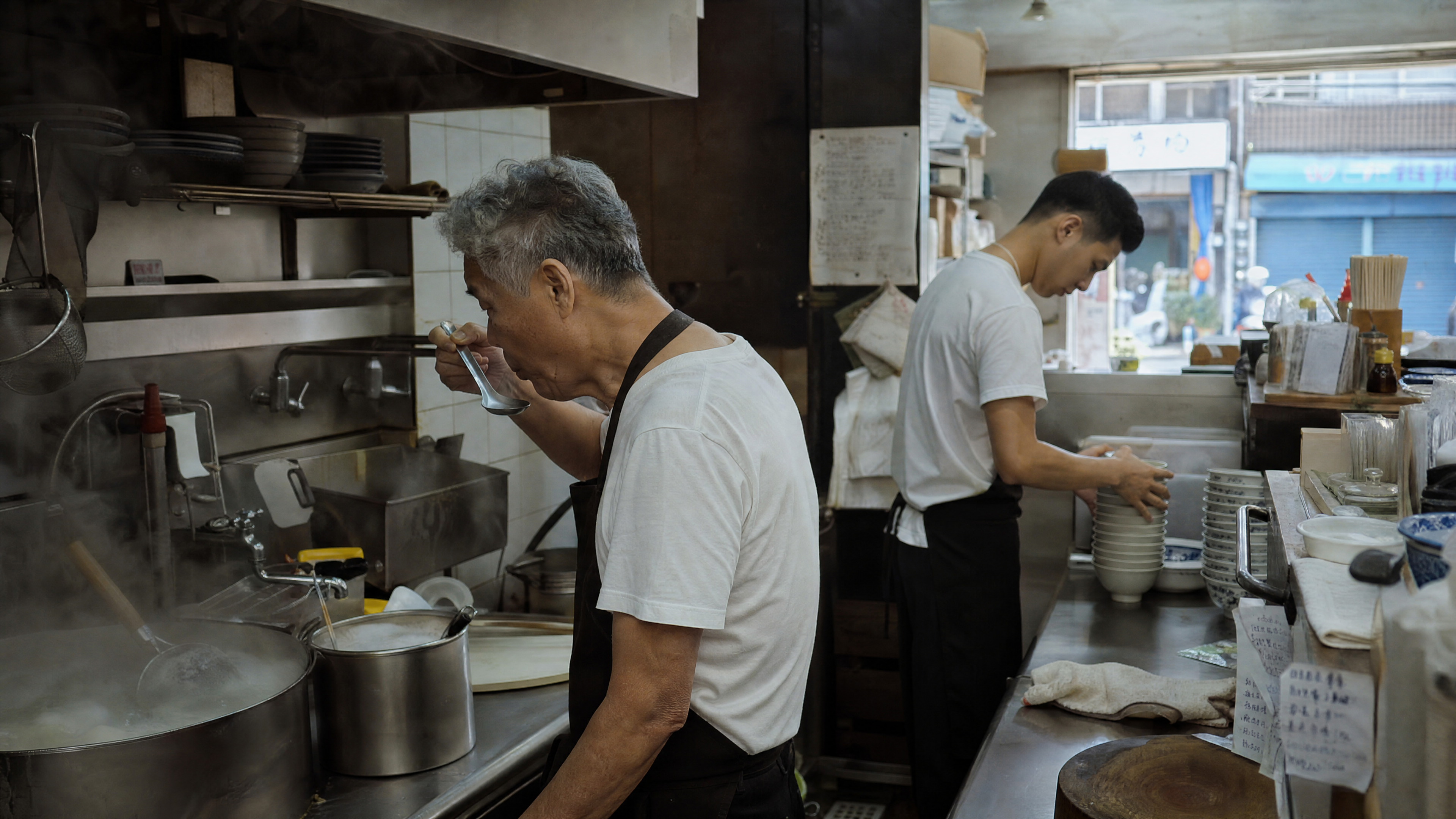
For video, keep the motion ordinary and tactile: steam moves, broth is tasted, bowls are stacked, the cook nods.
Style 5: Premium Product Film Prompt
Product film needs commercial clarity while still feeling cinematic. The trick is to make the product the hero while giving it a world.
Create a premium product-film AI short film image for a minimalist wireless speaker on a sculptural table inside a calm modern apartment at dawn. Use a close medium product hero composition, slow luxury camera language, soft sunrise edge light, matte ceramic texture, brushed aluminum detail, warm beige fabric, pale gray shadows, and subtle reflections. The product should be the clearest focal point, with lifestyle context supporting it. Avoid floating product renders, sterile white studio backgrounds, excessive lens flare, fake readable branding, and cluttered props.
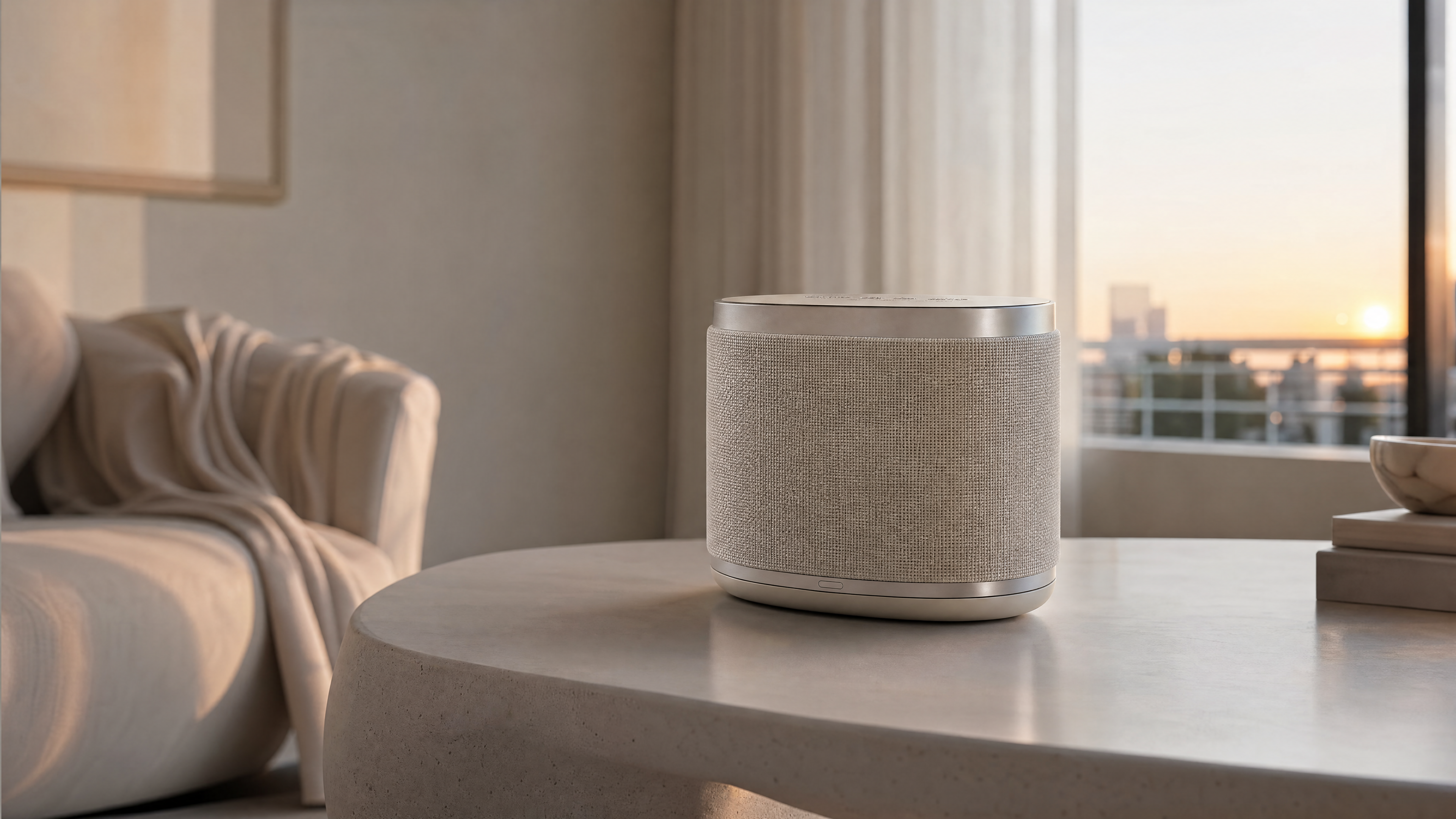
For video, use controlled motion: sunlight slides across the speaker, fabric vibrates slightly, the camera arcs slowly around the product.
Style 6: Soft Romantic Drama Prompt
Romantic drama should not lean on generic sunsets. It needs emotional blocking, distance, and small gestures.
Create a soft romantic drama AI short film image inside a late-night laundromat after a summer rain. Two people sit on opposite sides of the same folding table, not touching, while warm dryer light turns slowly behind them and street reflections shimmer through the window. Use a medium-wide 40mm lens feel, quiet symmetrical composition, warm practical light, soft blue street color, damp glass texture, cotton fabric detail, and restrained body language. The mood should feel intimate and unresolved. Avoid cheesy romance poses, overly perfect beauty lighting, heart-shaped symbolism, and melodramatic crying.
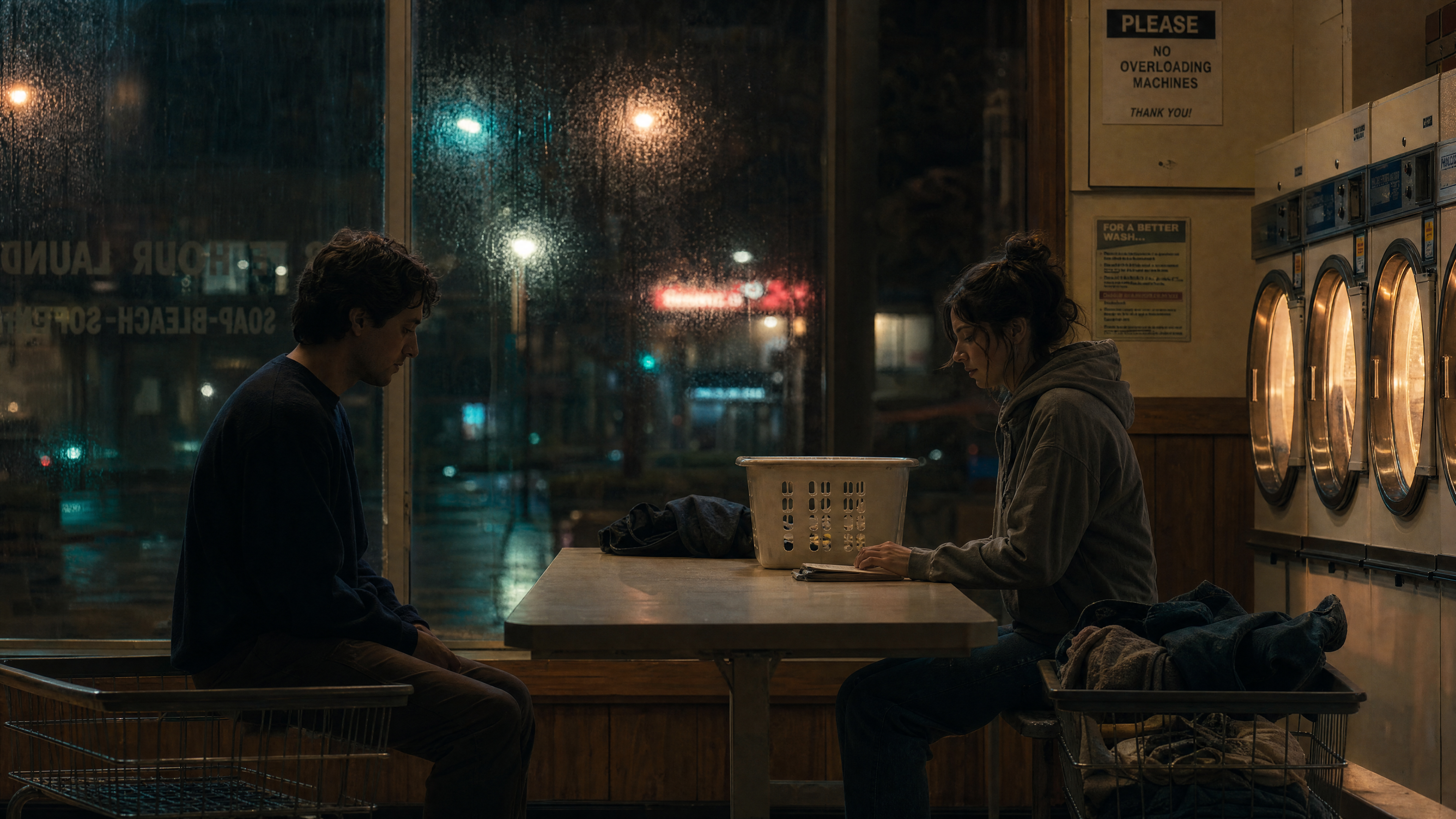
For video, the emotional change can be tiny: one person slides a folded shirt closer, the other looks up, the dryer light turns behind them.
Style 7: Retro Sci-Fi Optimism Prompt
Not all sci-fi needs to be dark, dystopian, or neon. Retro sci-fi can feel bright, curious, and optimistic, and it is a good example of changing the emotional temperature of an entire genre.
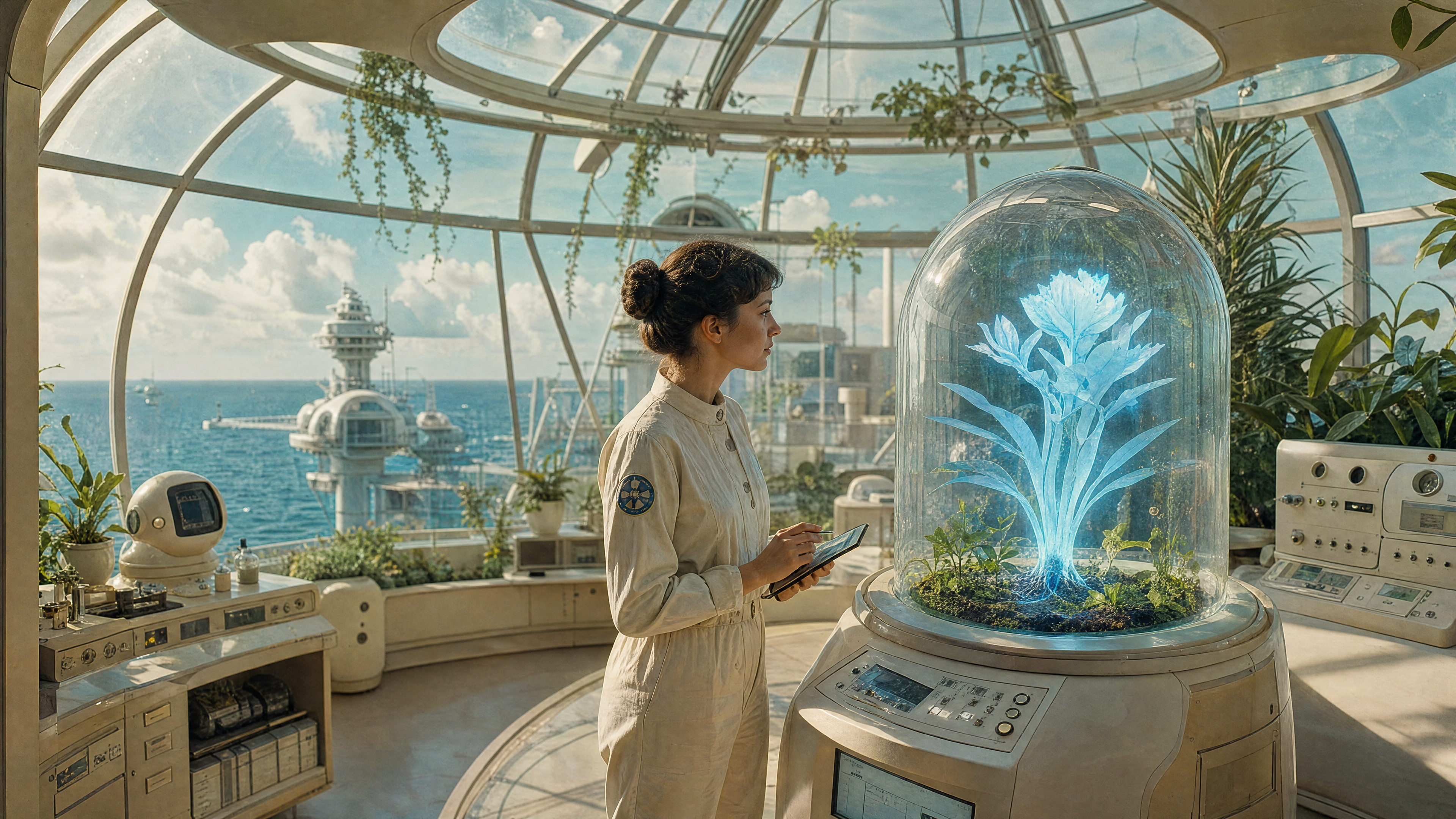
Create a retro sci-fi optimism AI short film image inside a glass greenhouse laboratory on a floating research platform above the ocean. A botanist in a simple cream jumpsuit studies a glowing blue plant inside a transparent dome while analog control panels, rounded white equipment, and warm sunlight fill the room. Use a wide 35mm lens feel, smooth slow push-in, clean 1970s future design, soft cyan plant glow, warm white surfaces, sea-blue background, and hopeful atmosphere. Avoid cyberpunk neon, military armor, spaceship darkness, hologram clutter, and dystopian mood.
How to Test Styles Without Repeating Yourself
When you build your own style tests, resist the urge to reuse one scene seven times. Give each major mood its own scene world, generate one image per style, extend only the strongest styles into ten-to-fifteen-second clips, and keep the reusable formula close so every new test starts from structure instead of from scratch.
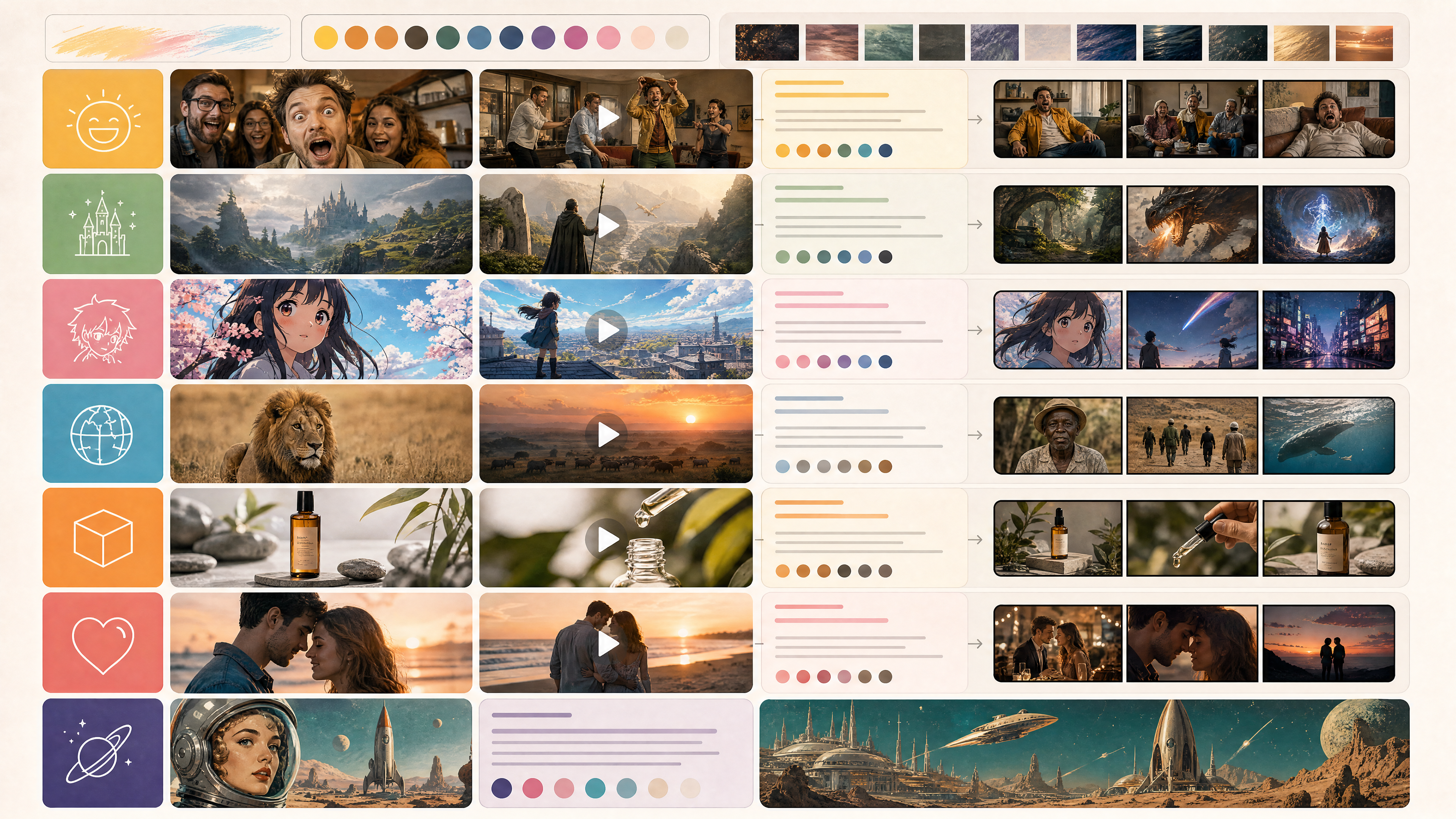
Range is the point. Moving from comedy to fantasy, anime, documentary, product film, romance, and sci-fi teaches you more about style control than seven variations of one dark corridor ever will.
For a deeper continuity workflow, connect this back to the AI movie from one image workflow. For broader shot-writing foundations, use the AI Movie Prompt Playbook.
Cinematic Does Not Mean Dark
An AI movie style library should not prove that one dark visual system can be adjusted six ways. It should show that short-film prompting can move between comedy, fantasy, anime, documentary, product film, romance, and sci-fi with a different rhythm each time. When the camera, light, timing, and production design are specific, every one of those styles feels cinematic, including the bright ones.
Build your full style range in one workflow. Create images, short videos, and cinematic prompt tests with Thank You AI →
よくある質問
Frank is a growth-focused operations and marketing professional with expertise in product data engineering. He specializes in turning user insights into scalable growth strategies. At THANKYOU AI, he leads operations, marketing, and growth efforts, leveraging data to shape product decisions and connect innovation with the audiences that need it most.