Stop Copying Prompts: How to Reverse Engineer Any AI Art Style
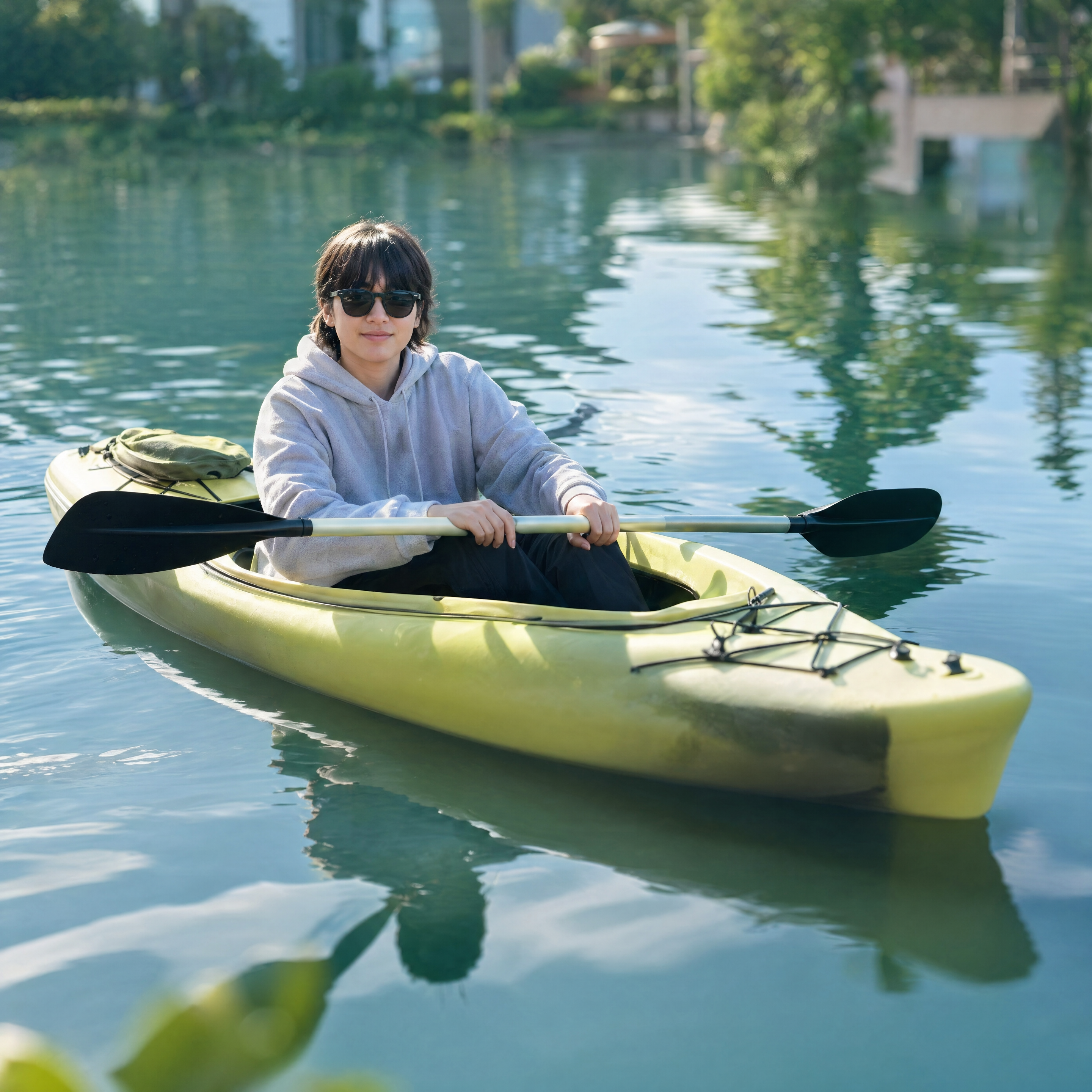

Learn how to break any image down into reusable visual rules, and build prompt templates that work across different subjects, scenes, and AI models.
Why Do Some AI Images Feel Consistent While Others Do Not?
You have probably found an AI-generated image that perfectly matches the aesthetic you were after. Most people react the same way:
"What is the prompt?"
They copy it, paste it into an image generator, and hope to recreate the result. Usually the outcome disappoints. The colors feel off, the atmosphere shifts, and the composition falls apart.
The reason is simple: most prompts describe what is in the image, but not why the image looks the way it does.
Every strong visual style is built from two parts:
- Variable elements — subjects, characters, actions, and environments
- Immutable visual conditions — lighting, color, composition, texture, and atmosphere Once you learn to identify the immutable conditions, you can recreate the same aesthetic with almost any subject. In ThankYou AI, that becomes a repeatable workflow rather than a lucky copy-and-paste.
Step 1: Extract the Visual DNA
When you analyze a reference image, ignore the subject completely and focus on the visual system behind it.
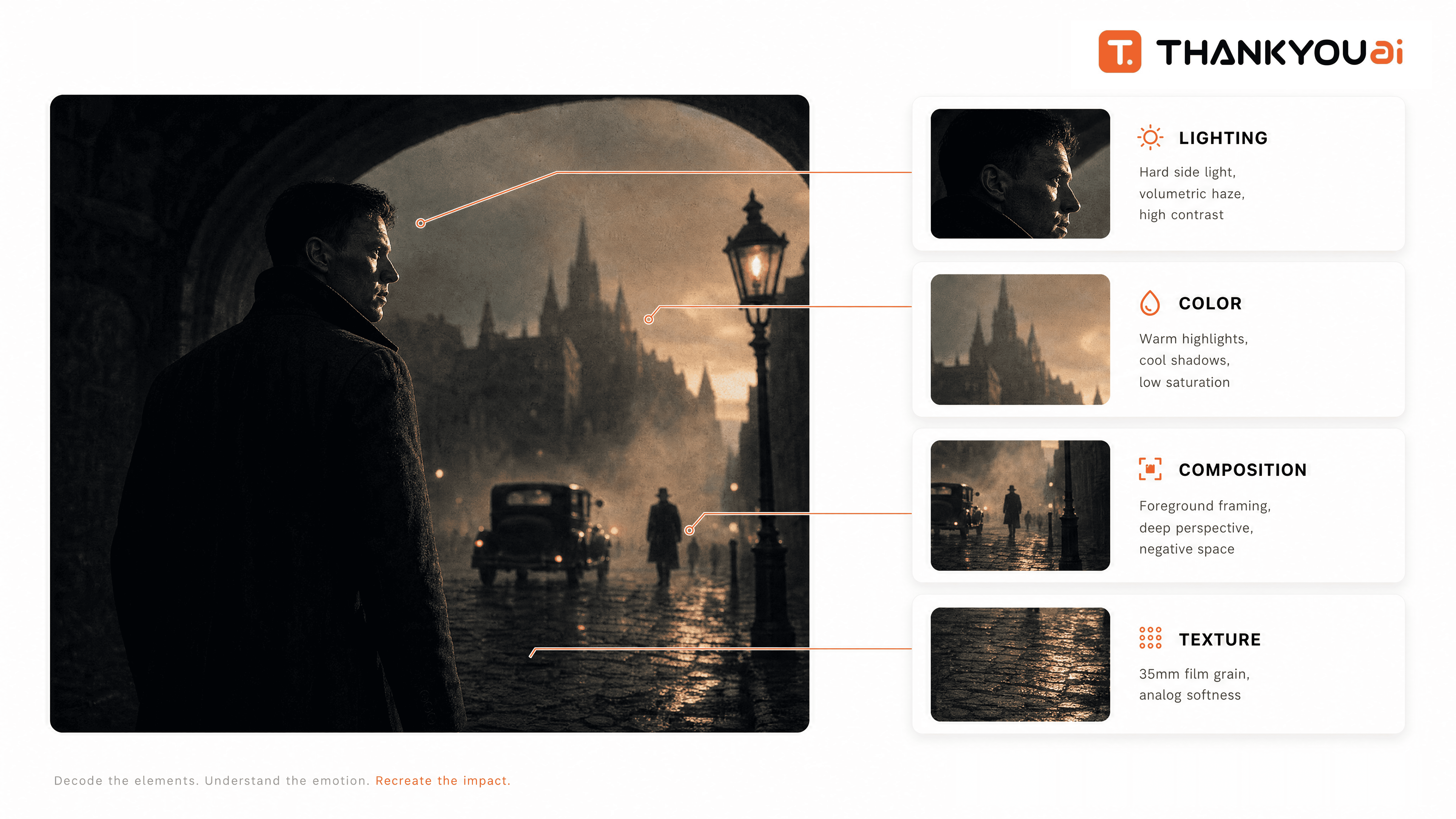
1. Lighting and Atmosphere
Ask yourself: is the light hard or soft? Where is it coming from? Is the contrast high or low? Is there haze, fog, smoke, or volumetric light?
For example:
Hard side light
Volumetric haze
Low-key lighting
Strong contrast
2. Texture and Image Quality
Look for film grain, lens softness, analog imperfections, and the level of digital sharpness.
For example:
35mm film grain
Analog texture
Lens softness
Vintage film look
3. Color Science
Observe the overall warm or cool tone, the highlight color bias, the shadow color bias, and the saturation level.
For example:
Warm highlights
Cool shadows
Low saturation
Muted color palette
4. Composition and Spatial Design
Pay attention to lens perspective, foreground framing, subject size relative to the scene, and depth layering.
For example:
Foreground framing
Deep perspective
Large negative space
Wide cinematic composition
The goal is not to describe the image. The goal is to describe the visual rules that create it.
Example
Instead of writing:
A woman standing in a futuristic city.
Extract the visual keywords:
volumetric haze, cinematic grain, low saturation,
teal shadows, warm highlights, foreground silhouettes,
deep perspective, large negative space,
anamorphic widescreen composition
These style keywords are far more valuable than a description of the subject.
Analyze Styles Faster with ThankYou AI
Breaking down every reference image by hand is slow. In ThankYou AI, you can upload an image and use AI chat to analyze its lighting, composition, color grading, overall aesthetic, and prompt structure, then save what you find into your own style library.
Start building your visual style library. Create a free account with 100 credits →
Step 2: Build a Reusable Prompt Template
Most creators stop after collecting style keywords. The stronger move is to turn those keywords into a reusable system. Think of every prompt as three separate blocks.
Block 1: Variable Content
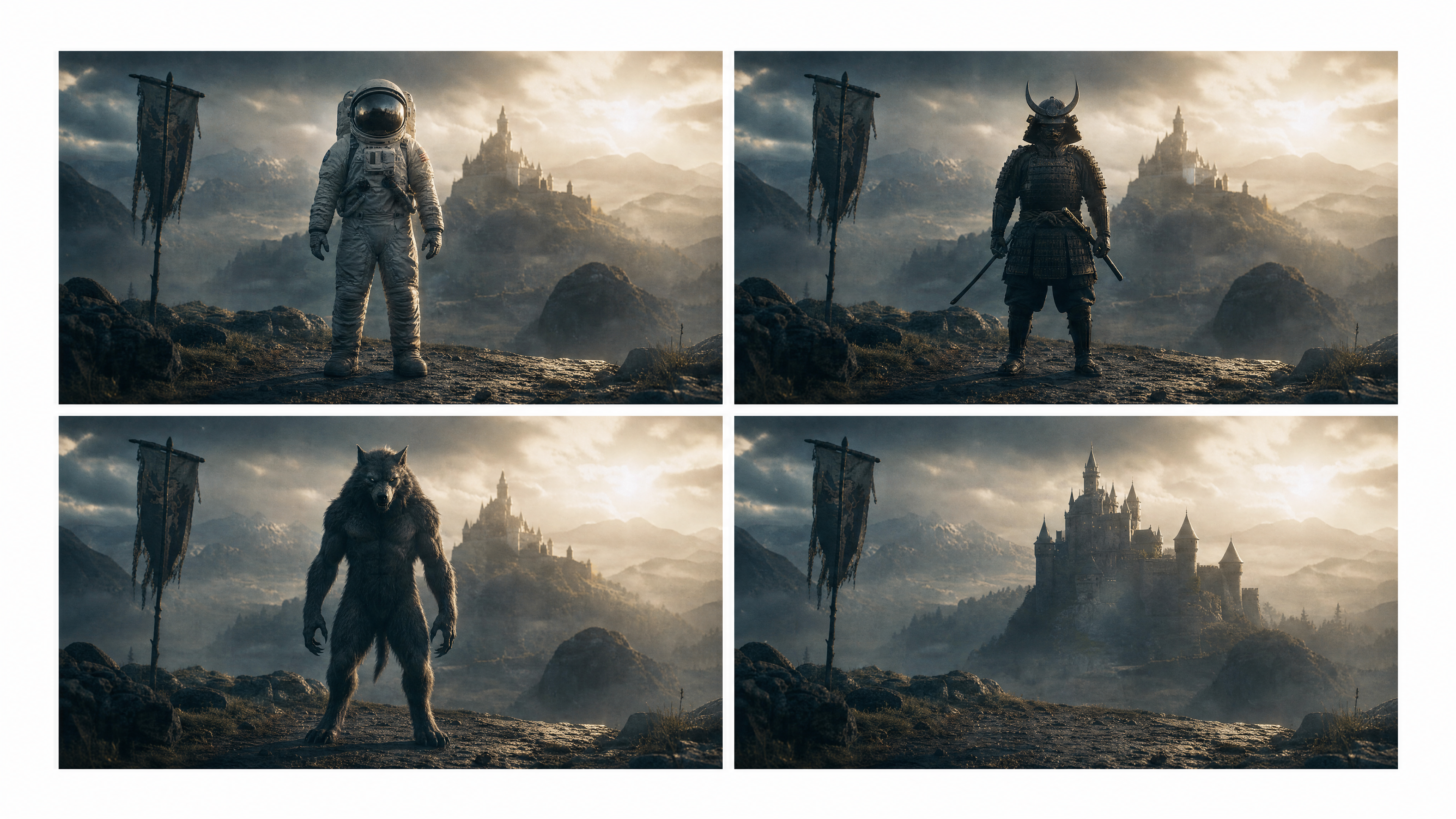
These change every time: shot type, subject, action, and environment.
Close-up portrait
Astronaut walking through a desert
Samurai standing in the rain
Castle on a snowy mountain
Block 2: Composition Rules
These usually stay fixed: foreground framing, large-scale environments, a subject occupying a small portion of the frame, strong depth layering, and generous negative space.
Block 3: Immutable Style Conditions
This is the most important block.
Volumetric lighting
Cinematic film grain
Low saturation color grading
Warm highlights
Cool shadows
Analog film texture
Add negative prompts to keep unwanted results out:
No HDR
No oversaturated colors
No studio lighting
No digital sharpness
No modern commercial photography
Example Prompt Template
[SHOT TYPE], [SUBJECT & ACTION], [ENVIRONMENT].

Large-scale cinematic composition,
foreground framing elements,
layered depth,
strong spatial hierarchy,
subject relatively small within environment,
generous negative space.

Volumetric lighting,
cinematic grain,
low saturation color grading,
warm highlights,
cool shadows,
atmospheric haze,
analog film texture,
deep perspective.

--no HDR,
--no digital sharpness,
--no studio lighting,
--no oversaturated colors,
--no modern commercial photography
The content changes. The style stays consistent.
Put Your Template Into Practice
Once you have a reusable template, the next step is testing it across different subjects and models. In ThankYou AI you can reach multiple image-generation models from one workspace, so you can hold the same style block steady while you:
- Maintain style consistency
- Test prompt variations
- Compare different models
- Build repeatable workflows
Test your template across models. Start creating with 100 free credits →
Why This Works Better Than Copying Prompts
Most prompts focus on content. Professional prompts focus on visual language. It is the same principle that film directors, cinematographers, concept artists, advertising creatives, and production designers rely on: the subject, the story, and the environment can all change, but the visual system stays the same. That consistent system is what creates a recognizable style. The same systems thinking applies to characters, not just style. If you want a single character to stay recognizable from scene to scene, see our guide on How to Keep the Same Character Across Images.
From Prompt Engineering to Visual Design
The next time you see an AI image you love, do not ask "What is the prompt?" Ask instead:
"What are the immutable visual conditions?"
Once you can identify the lighting, composition, texture, and color systems, you can recreate almost any visual style without relying on someone else's prompt. This is the point where prompt engineering becomes visual design.
Ready to Build Your Own Style Library?
The best creators do not collect prompts. They build systems. By learning to reverse engineer visual styles, you can create a reusable library of aesthetics that works across any subject, project, or AI model.
Build your own style framework in ThankYou AI. Create your free account with 100 credits →
常见问题
Frank is a growth-focused operations and marketing professional with expertise in product data engineering. He specializes in turning user insights into scalable growth strategies. At THANKYOU AI, he leads operations, marketing, and growth efforts, leveraging data to shape product decisions and connect innovation with the audiences that need it most.