Pitti Uomo Content Ideas: Menswear Lookbooks & Reels with AI
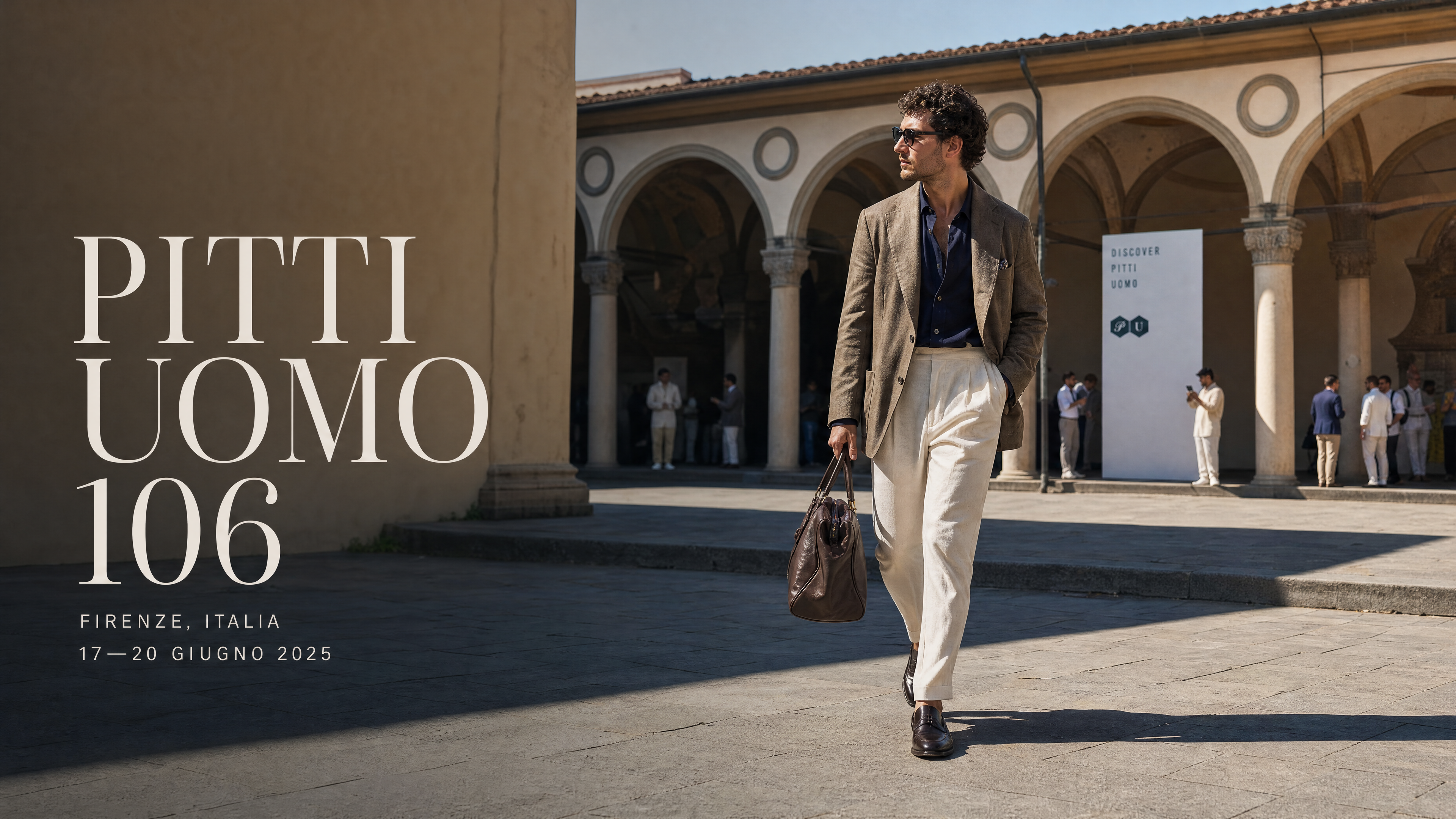
Of all the menswear moments on the calendar, Pitti Uomo is one of the easiest to turn into content. The reason is not a single headline trend. It is the density of small, usable signals stacked on top of each other across a few days in Florence: the proportion of a jacket, the texture of a suede loafer, the way two shades of brown are layered in one outfit, the loose posture of someone caught mid-stride outside the Fortezza da Basso, the early-summer light coming off the stone. A single runway gives you one look per exit. Pitti gives you a dozen reusable cues in an afternoon, which is exactly what you need if you want more than one hero image out of the week.
Cover It as a Workflow, Not a Diary
The weakest fashion post is a runway diary: a scroll of outfits with nothing planned for what happens next. The more useful version starts from a production question instead. Which cues are worth reusing? Which ones deserve a still image, and which only make sense in motion? What could become a lookbook, a recap reel, or a short styling guide? Asking that up front keeps the page practical, and it keeps the work pointed at making assets from a live fashion signal rather than just narrating the event.
Fabric Behavior Belongs in Your First Video
Still photography flattens a lot of what makes menswear interesting. A coat reads as a shape until you see it swing, and a wide trouser only earns the word drape once it moves. So the first video is the place to show behavior rather than form: the swing of an unbuttoned overcoat, the break of a trouser over a loafer, the small bounce of a bag carried at the side, the press of a crowd around the entrance.
If that opening clip does not teach the eye something a photo could not, it is not pulling its weight.
Three Styling Lenses for the Middle
Rather than narrating every outfit, narrow the middle of the piece to three lenses, and let each asset go deep on one:
- Relaxed tailoring
- Sharp accessory control
- Tonal color stacking
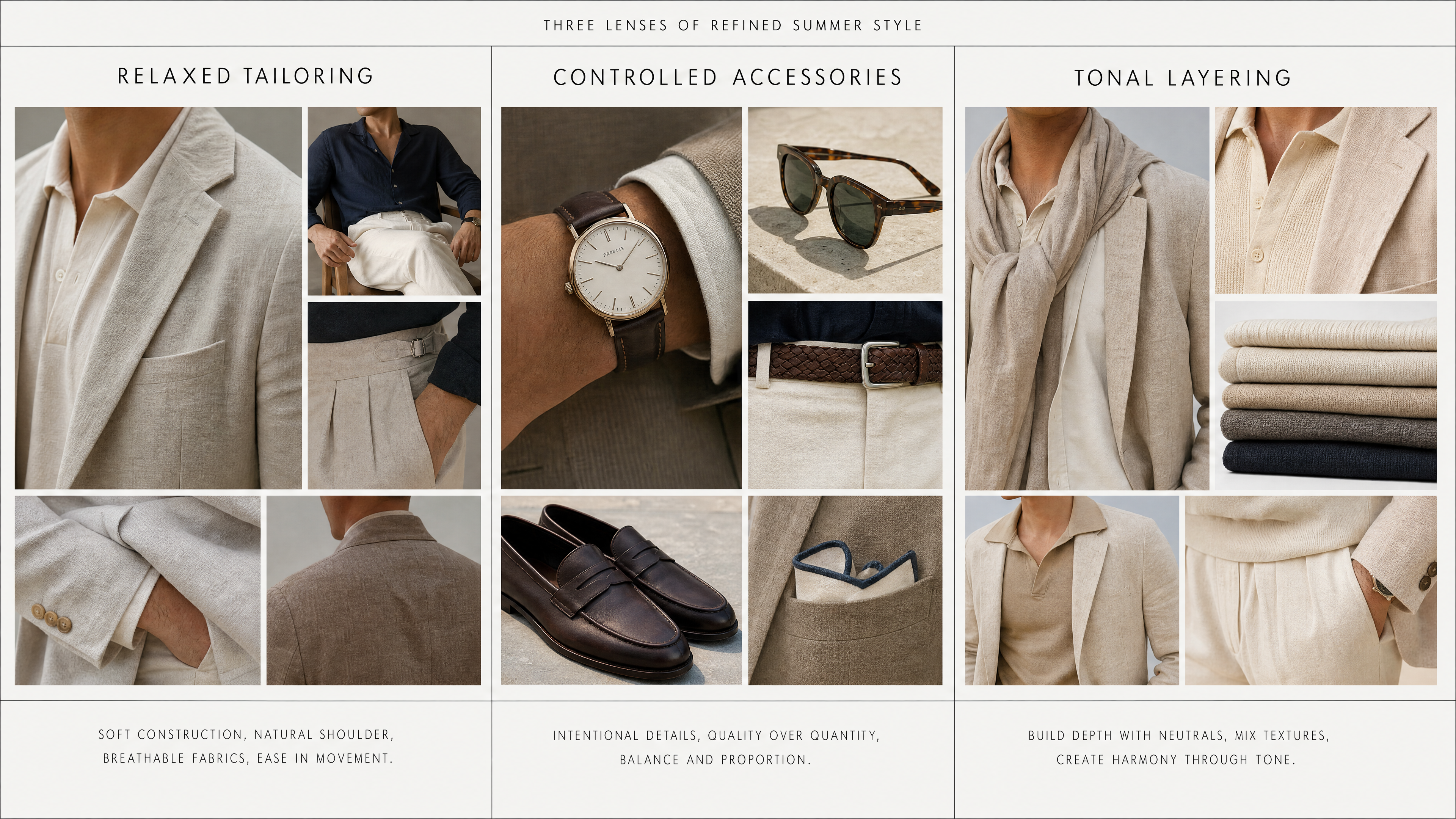
Working this way keeps your prompts focused and gives the reader something to use, instead of another gallery to scroll past.
Want one workflow for both images and motion? Create fashion images and video with 100 free credits →
Read Street Style as Field Data
Treat the crowd outside the venue as a research set rather than loose inspiration. The cues worth collecting are the ones that repeat: sleeves rolled to the same forearm length, the soft unstructured shoulder turning up again and again, linen that creases in a particular way under midday sun, bags held in the hand instead of slung over a shoulder, the long shadows the buildings throw across the street by late afternoon.
Those specifics are what separate a lookbook that feels like this season from one that only says menswear.
One Article, Several Assets
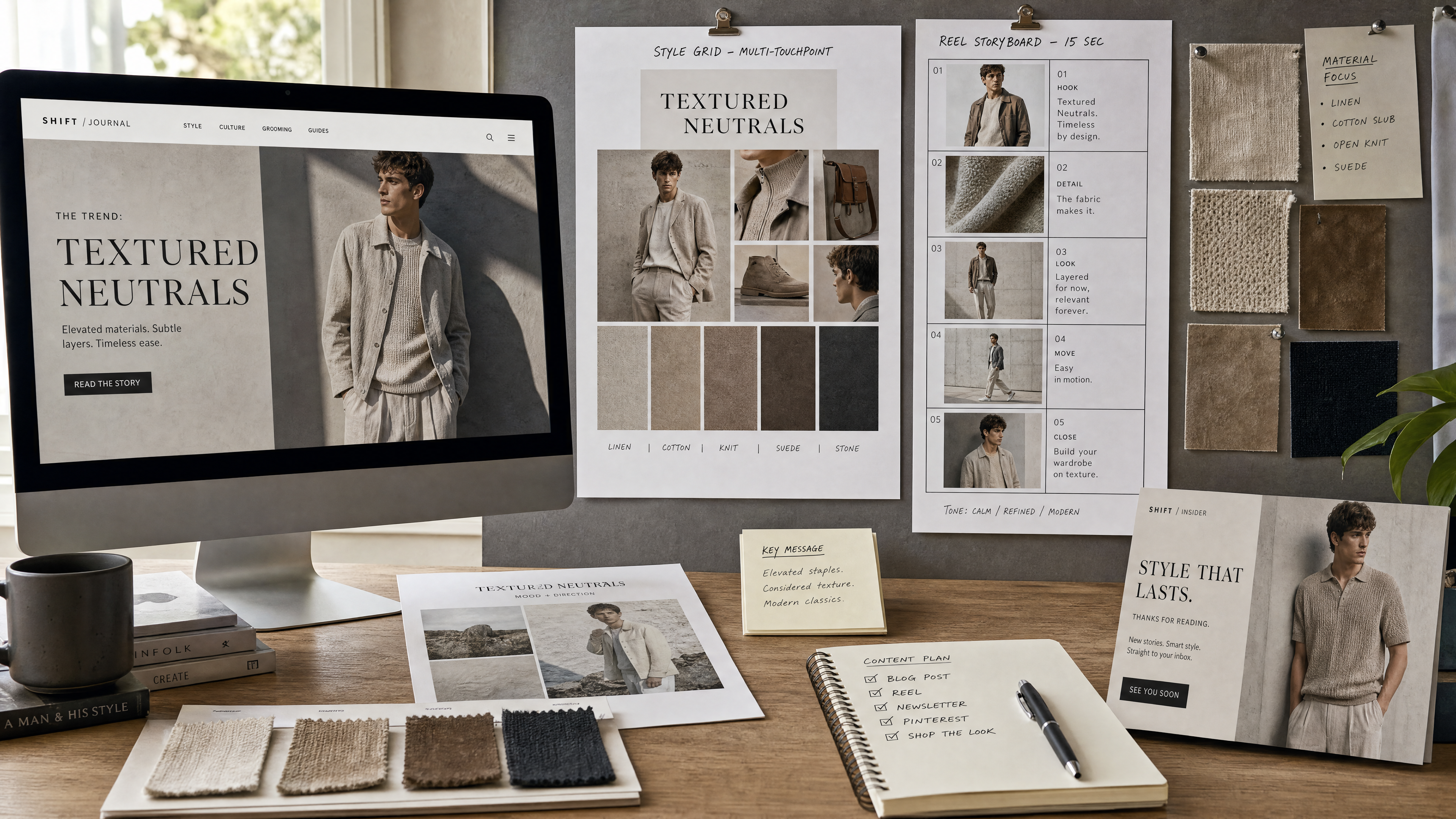
A single Pitti piece does not have to end as one blog post. The same set of images can spin off a hero shot for the article, a style-grid explainer, a vertical reel built around movement and layering, and a closing card for a newsletter or mood report. The discipline is in the edit. Do not ask every asset to carry the whole event; let each one specialize and do its own job well.
A Controlled Closing Image
The final image should look edited, not crowded. It is the answer to a plain question: what does this fashion week look like once it has been turned into a clean creator package? In practice that usually means fewer looks, a clearer hierarchy of silhouettes, more deliberate contrast in texture, and a single editorial tone holding the whole thing together.
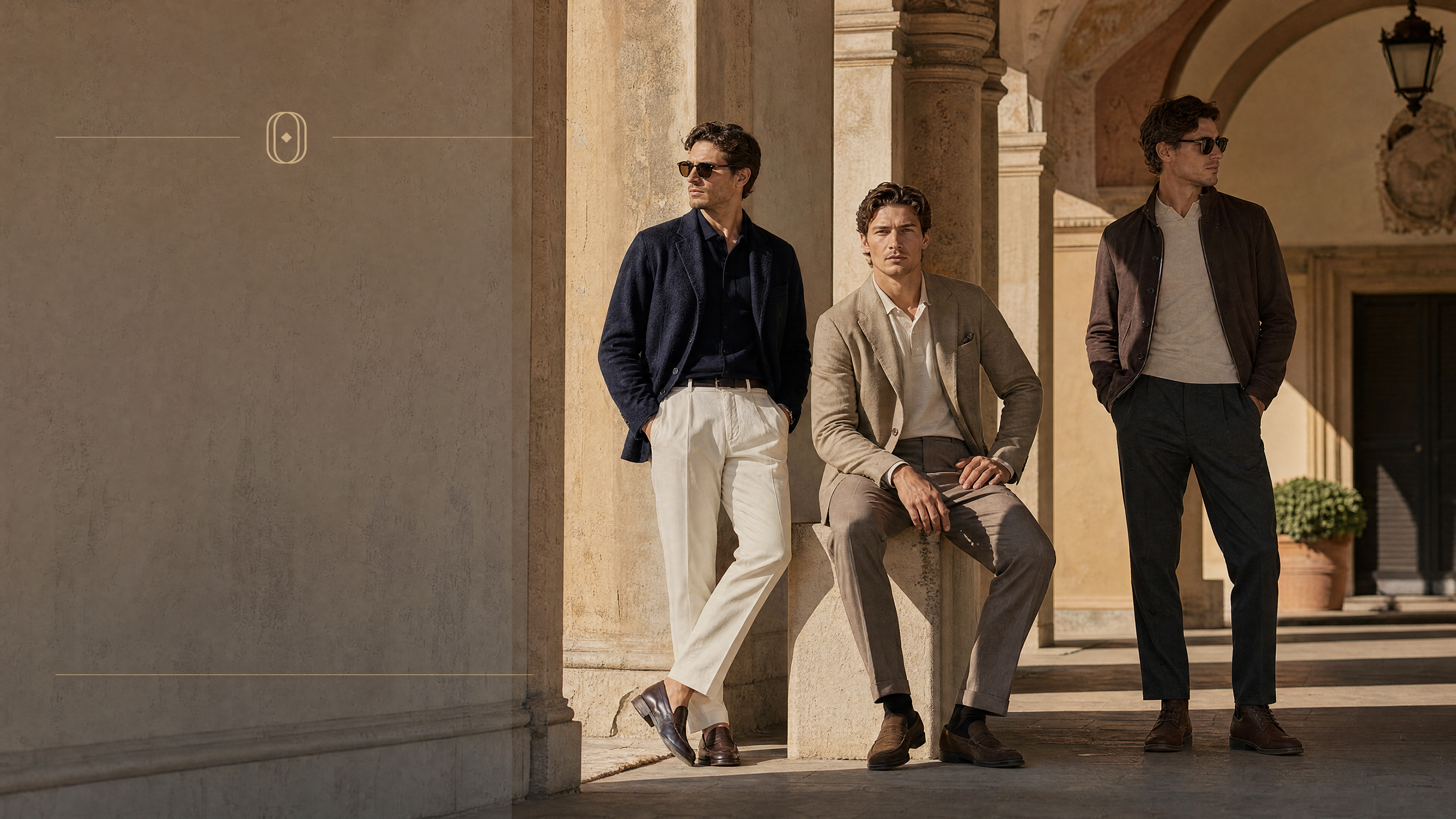
Pitti Uomo holds up as source material because it offers something rare: enough specificity to be distinctive, and enough range to stay flexible. It is fashionable, but it is also built for reuse, with strong stills, obvious motion, and a clear path to a publishable package. With Thank You AI, the stills and the motion come out of the same workflow, so the finished set stays consistent from the first frame to the last.
Turn this week's fashion signals into a publishable creative system. Start creating with Thank You AI and 100 free credits →
常见问题
Frank is a growth-focused operations and marketing professional with expertise in product data engineering. He specializes in turning user insights into scalable growth strategies. At THANKYOU AI, he leads operations, marketing, and growth efforts, leveraging data to shape product decisions and connect innovation with the audiences that need it most.